
Recent Post
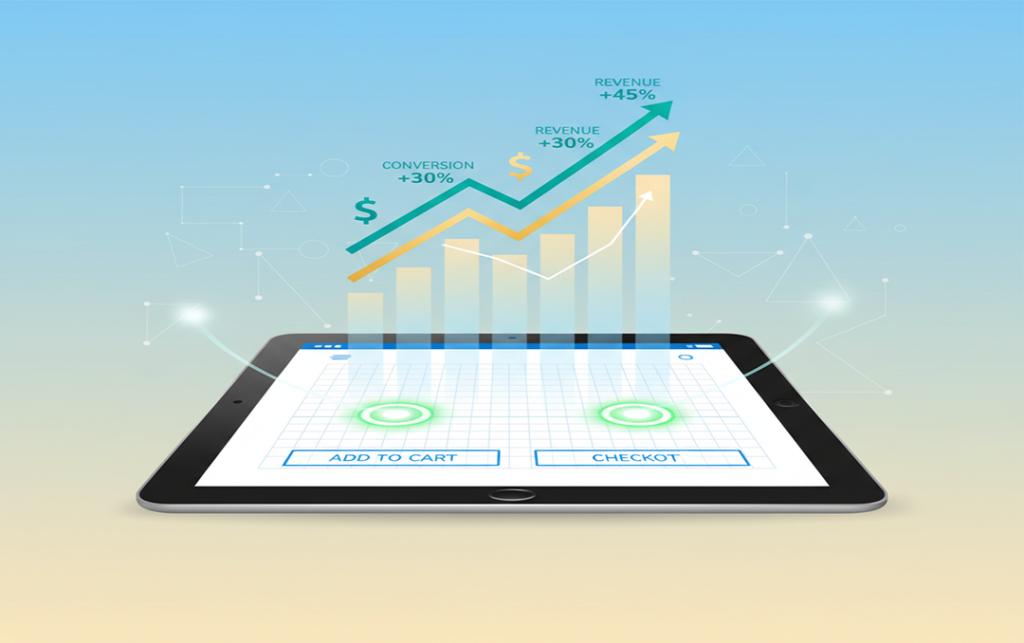
Companies often think conversion problems are marketing problems. In reality, many of those issues sit inside the product experience itself. This is where a UX strategist becomes essential. Strong UX design doesn’t just make a product look cleaner. It creates clarity, improves trust, reduces friction and moves people closer to taking action. That combination directly influences conversion and revenue.
Why UX Strategy Matters in Business Performance
Every digital product exists to achieve a business goal. It might be sign-ups, purchases, retention or awareness. A UX strategist connects these goals to real user behavior. Instead of guessing what users want, research reveals what they actually need, where they get stuck and what motivates them.
When UX research is aligned with business thinking, it stops teams from building features that don’t support growth. It also uncovers the exact problems blocking conversions, whether emotional, functional or technical.
First Impressions Shape Confidence
When someone lands on a product for the first time, they judge it within seconds. If a layout feels confusing or a call-to-action is buried, users hesitate. That hesitation is where conversions drop.
A strong UX strategy makes those early moments simple and reassuring:
-
Clear messaging
-
Predictable navigation
-
Clean hierarchy
-
Familiar interaction patterns
Users feel in control. And when people feel in control, they convert more often.
Reducing Friction Leads to Higher Conversions
Conversion drops typically come from small points of friction, not major failures. These include:
-
A form that asks for too much information
-
Buttons that look inactive
-
Steps that feel longer than expected
-
A checkout flow that feels risky or unclear
A UX strategist maps these friction points using insights from usability testing, click patterns and behavioral data. Removing them can quickly improve conversion without any change in marketing spend.
A simple example
In one hypothetical scenario, imagine a subscription app. Users arrive on the pricing screen, but 40 percent drop off before pressing “Continue.”
UX research shows that users are unsure whether they can cancel later. By adding a short reassurance line (“Cancel anytime”), conversions increase measurably.
A tiny UX improvement. A big business result.
Why Marketing Alone Can’t Fix Experience Problems
Marketing can get people to your door. Only strong UX can get them through it.
If a campaign brings in traffic but the product experience is unclear, slow or inconsistent, users won’t convert regardless of how good the ads are. That’s why UX and marketing must work together. UX creates the experience. Marketing amplifies it. Businesses that connect both sides perform better across awareness, acquisition and retention.
UX Research Helps Teams Avoid Costly Mistakes
A UX strategist uses research to test ideas before they reach development. This prevents teams from spending money on features that users don’t understand or don’t need.
Some of the most valuable research activities include:
-
Concept validation
-
Rapid prototyping
-
Usability testing
-
Journey mapping
-
Problem analysis
-
Behavioral insight studies
These steps reduce risk. They help teams invest only in features that support growth. This has a direct impact on revenue because the product becomes more aligned with real customer expectations.
Good UX Increases Trust and Loyalty
People don’t return to products that feel confusing. When an experience feels smooth and predictable, users trust it. That trust leads to repeat actions, more engagement and higher lifetime value.
A UX strategist looks beyond the first interaction. They plan the entire user journey across:
-
Onboarding
-
Feature discovery
-
Engagement
-
Support touchpoints
-
Long-term retention
Every stage influences revenue. A well-designed journey keeps people inside the product longer and increases the chances of conversion over time.
UX Strategy Turns Insights Into Business Decisions
A UX strategist doesn’t just improve screens. They help companies make better decisions by understanding how users behave and what they expect. This includes:
-
Prioritizing high-impact features
-
Defining clear success metrics
-
Aligning product thinking with market needs
-
Reducing unnecessary complexity
-
Identifying new revenue opportunities
When UX and business strategy are connected, the product becomes easier to use, easier to trust and easier to convert.
The Real ROI of UX Design
Strong UX provides measurable returns. Some of the most common outcomes include:
-
Reduced drop-offs
-
Higher task completion rates
-
More sign-ups
-
More purchases
-
Lower support costs
-
Higher customer satisfaction
-
Better customer reviews
-
Improved brand perception
Many industry studies show that every dollar invested in UX brings a significant return. But beyond the numbers, good UX reduces risk and strengthens the foundation of any digital product.
A Small Example of UX Impact
Consider an e-commerce checkout.
Two changes can boost conversion without redesigning the entire site:
-
Reordering the steps to make them predictable
-
Showing progress indicators so users know how long it will take
These adjustments reduce anxiety. Users feel guided instead of overwhelmed. This often increases checkout completion rates immediately.
This is the value of UX strategy. Small improvements, done at the right point, generate meaningful business results.
Final Thoughts
Conversions don’t happen by accident. They happen when research, design and strategy come together to create a product people trust and understand. A UX strategist plays a key role in this process by aligning user needs with business goals. With thoughtful UX research and a clear strategy, any digital product can increase revenue, reduce friction and deliver a better experience from the first interaction to long-term loyalty.
Hi, this is a comment.
To get started with moderating, editing, and deleting comments, please visit the Comments screen in the dashboard.
Commenter avatars come from Gravatar.