
Recent Post
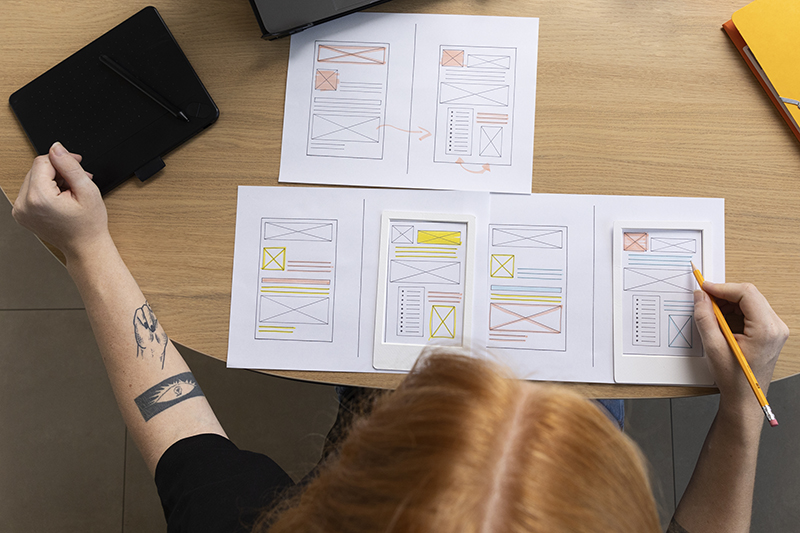
When someone opens a digital product for the first time, they decide within seconds whether they want to stay or leave. That moment sets the tone for the entire relationship between the user and the product. This is why the UX design first impression matters so much. It goes beyond how things look. It shapes how users feel, how they understand the product, and whether they trust it enough to continue.
A strong first impression builds confidence. A poor one creates friction. And users rarely give second chances.
Why First Impressions Matter in UX
Users judge a product quickly, and these early judgments are surprisingly lasting. If the product feels confusing or slow at the start, users assume it will stay that way. On the other hand, a smooth and clear entry experience sets expectations of quality and care.
Great first impressions remove hesitation. They make the user feel in control. They help users feel like the product was designed for them, not against them.
What Shapes the First Impression
Several elements work together during the first few seconds of the experience:
1. Visual clarity
Strong visual hierarchy helps users understand what to do without thinking too hard. Clean layouts, balanced spacing, and readable text create a sense of stability. A visually crowded screen creates anxiety and slows people down.
2. Fast onboarding
A good onboarding flow helps users learn just enough to start using the product. It guides them without overwhelming them. The goal is to make the product feel intuitive from the very beginning.
3. Clear messaging
Simple language builds trust. When the product explains its value in a straightforward way, users feel confident that they know what they are signing up for.
4. Smooth interaction patterns
Buttons should feel responsive. Forms should be easy to fill. Navigation should feel predictable. These small details add up fast and influence how users judge the overall quality.
5. Emotional connection
Color, tone, microcopy, and the overall personality of the product help create an emotional response. Users connect when the experience feels thoughtful and human.
How UX Design Creates Trust
Trust is a big part of the UX design first impression. Users want to know the product is reliable before they invest their time. Good UX helps build that trust through consistency, clarity, and flow.
When people feel guided and supported, they stay longer. When they feel confused or pressured, they disappear.
Why This Matters for Digital Products Today
Competition is high. Users have endless options. If one app feels confusing, another is always nearby. This is why UX design for digital products is no longer optional. It has become the foundation of how brands connect with users.
Products that invest in UX from the start build stronger retention, better engagement, and a more positive brand image. First impressions are often the difference between adoption and abandonment.
What Your Product Gains from a Strong First Impression
A well-designed entry experience gives you:
-
Higher activation rates
-
Better early engagement
-
Lower drop-offs
-
More trust and credibility
-
A smoother path to long-term satisfaction
Most importantly, it tells users that their time and attention are valued.
Final Thoughts
People never forget how a product makes them feel the first time. When UX design leads with clarity, flow, and empathy, the first impression becomes a powerful advantage. It sets up a strong foundation for the rest of the journey and helps the product stand out in a crowded market.